Have you ever, while working with cordless tools, found yourself wondering: What is the power tool battery compatibility anda are all power tool batteries interchangeable? If you’re a DIYer or a full-time contractor, thinking to yourself that being able to swap one battery between different tools sounds like a dream, right? It can save you time, cut down on costs, and spare you the headache of juggling multiple chargers. But here’s the catch—not all power tools are created equal.
In this guide, we’ll explore the truth behind battery compatibility, focusing on how to obtain and differentiate power batteries for optimal compatibility with your tools. However, household names like the Makita 18V Battery and the DeWalt 20V Battery remain interchangeable. We will uncover what you need to know before swapping your power tool battery.
Power Tool Battery Compatibility:
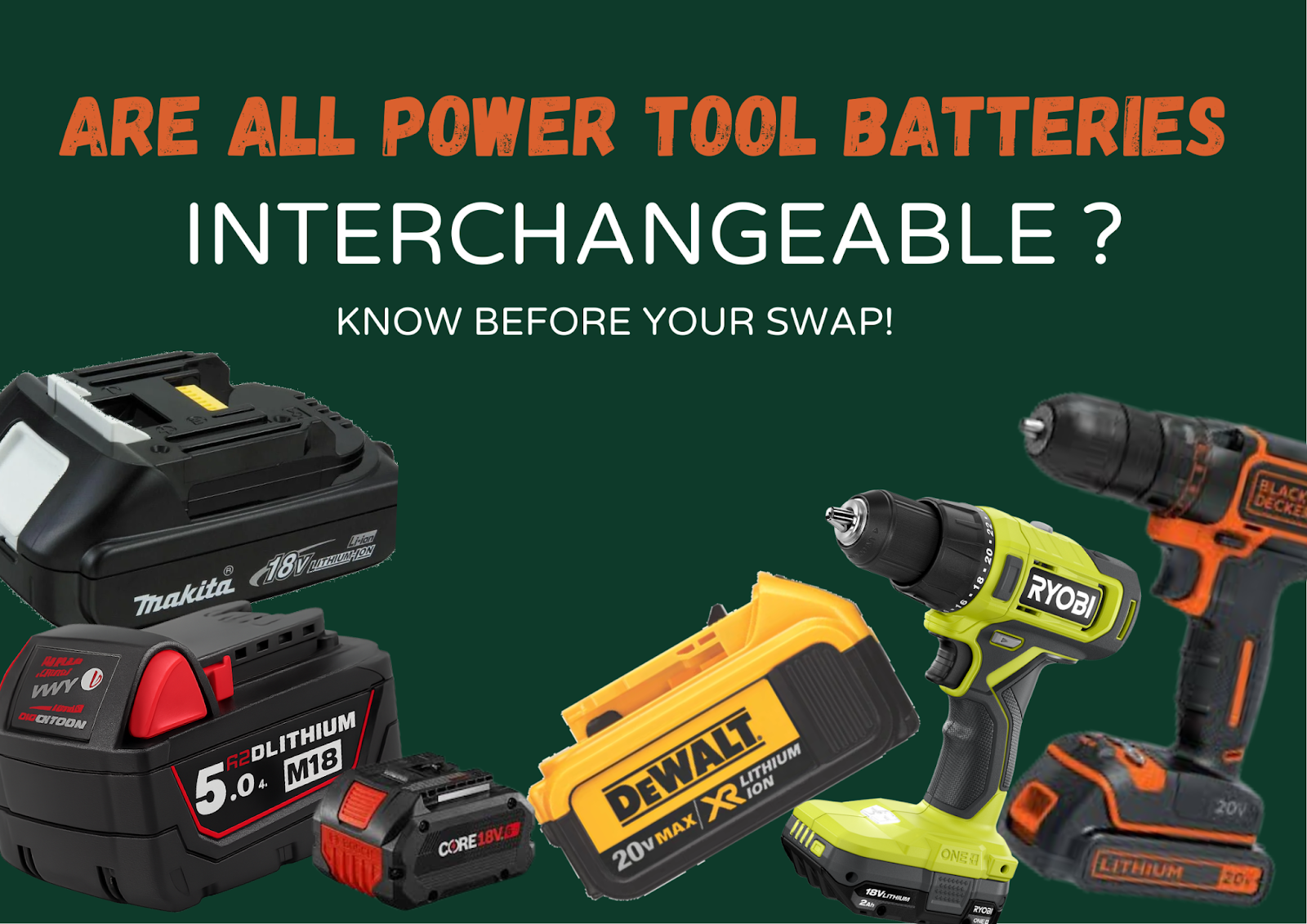
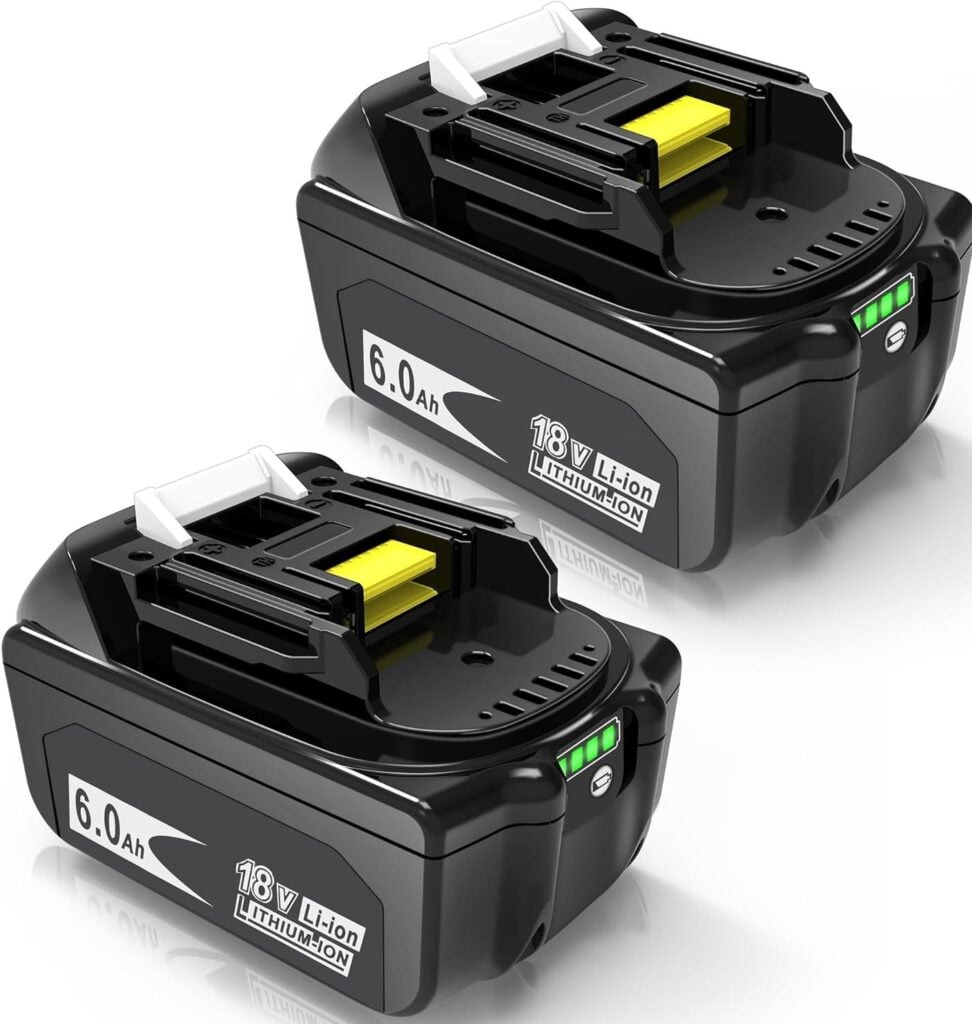
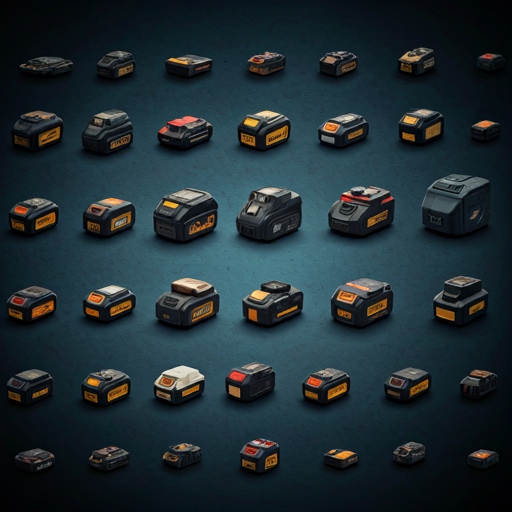
Power tool batteries are rechargeable energy packs tailored to meet the specific needs of cordless tools. Most modern tools rely on Lithium-ion (Li-ion) batteries due to their high energy density, lighter weight, and longer runtime compared to older Nickel-Cadmium (NiCd) or Nickel-Metal-Hydride (NiMH) options. For example, the Makita 18V Battery BL1815 is built for select Makita tools, while the DeWalt 20-Volt battery is tailored to fit DeWalt’s line-up. Similarly, Bosch, Milwaukee, Ryobi, and other brands each have their battery platforms.
Key factors determining the power tool battery compatibility include:
- ·Voltage: The power output (e.g., 18V or 20V, 40V) must be compatible with the tool’s requirement; any mismatch can damage the durability of the battery.
- Connector Design: Cross-check your connector, as each brand curates the structure differently depending on their brand’s ecosystem.
- Battery Management System (BMS): Regulation of power flow, prevention of overcharging, and overheating can ensure the safe internal electronic mechanism.
- Form Factor: The battery’s physical size and shape must fit the tool’s slot precisely.
Bottom line: These factors create a “locked” ecosystem, making most power tool batteries incompatible across different brands.
Why Power Tool Batteries Aren’t Interchangeable?
Even when batteries look similar, they usually won’t work across brands because of:
Popular Power Tool Examples:
- Safety Risks: A mismatched battery can cause overheating, short circuits, or even fires. For example, pairing a Makita 18V with a non-Makita brand battery.
- Performance Issues: You can face poor runtimes and sudden shutdowns of the battery if it is not given proper current and voltage to carry the load, even though the battery is completely compatible.
- Warranty Voids: Using non-approved or cross-brand batteries often cancel manufacturer warranties. So always choose trusted aftermarket suppliers who also claim the battery warranty on their own.
- Charging Incompatibility: Just like a power battery, you can’t mix and match similarly; you can’t swap chargers, for example, a Makita charger won’t safely charge a different battery, and vice versa.
Here are some widely used power tool batteries and their brand-specific systems:
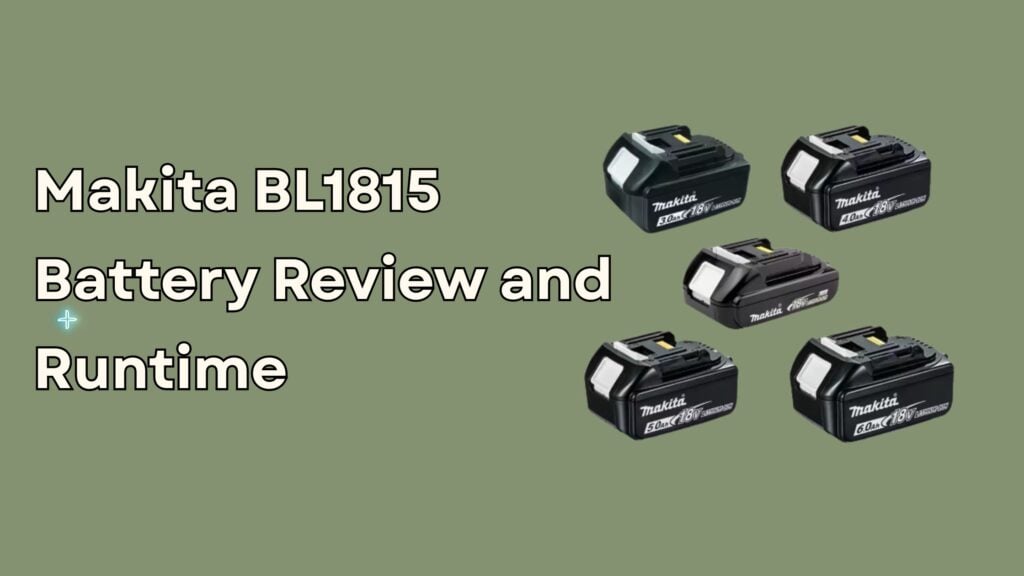
- Makita 18V Battery BL1815: Compact 1.5Ah Li-ion, ideal for lightweight Makita tools.
- DeWalt 20V MAX Battery (e.g., DCB204): Durable 4Ah options powering drills, saws, and drivers.
- Milwaukee M18 EDLITHIUM: High-capacity 5Ah+ batteries built for heavy-duty use.
- Bosch 18V CORE18V: Advanced cooling for professional-grade Bosch tools.
- Ryobi ONE+ 18V: Backward compatible for over 25 years within the Ryobi ONE+ lineup.
- BlackandDecker 20V MAX: Affordable, entry-level batteries for light to medium DIY tasks.
Bottom Line: Each battery is optimized for its ecosystem and won’t interchange with others.
Lithium-ion tool battery adapters:
Multiple brand users of cordless tools may see lithium-ion tool battery adapters as a convenient solution. These adapters provide accessibility to connect one brand’s battery to another brand’s tool.
Advantages of power tool adapters:
- Save you a chunk of your money if you already own different tool brands.
- Useful for occasional DIY projects.
- Can be sourced easily.
Disadvantages of power tool adapters:
- Reduction of performance due to added resistance in the connection.
- May bypass safety features in the battery’s management system, leading to overheating or faults.
- Manufacturer warranties get voided.
- May fit poorly, causing disconnections during heavy use.
NOTE: Despite these pros and cons, there are some compatible battery combos that has made a prominent presence in the market:
Compatible battery adapter combos:
Common adapter combinations frequently observed include Milwaukee-to-Makita, DeWalt-to-Milwaukee, and Makita-to-DeWalt. These pairings are prevalent mainly because they feature some of the top brands in the power tool industry.
Regarding their operation, certain adapters are created to be bidirectional, allowing the battery to supply power to tools in both directions. Some are designed for one-way use only, supporting only a dedicated pairing between a certain battery and tool.
Bottom Line: Adapters are lightweight and handy, but they are recommended for professionals who can rely on consistent power, safety, and reliability.
Lithium-ion Tool Battery Alliances: Limited Exceptions:
Some alliances offer cross-brand Power tools compatibility:
- Cordless Alliance System (CAS): Metabo-led system allowing 18V batteries to work across 30+ partner brands.
- Power for All Alliance: Bosch batteries, Gardena, and others share a common 18V platform.
Bottom Line: Major power battery Players like Makita, Dewalt, and Milwaukee remain confined in their ecosystem to maintain brand exclusivity.
Choosing the Right Power Tool Battery:
To extend the durability of your power tools:
- Stay Brand-Consistent: Build your collection around one battery platform
- Match Voltage & Chemistry: Always use the recommended, compatible voltage and Li-ion type.
- Use Official Chargers: Ensures safe charging and long battery life.
- Check Capacity (Ah): Higher Ah = longer runtime, but heavier.
- Store Correctly: Keep batteries cool, dry, and avoid full discharge.
Third-Party Power Tool Batteries: Worth the Risk?
Aftermarket power tool batteries appeal to buyers due to their budget-friendly, compatible battery accessibility. Buying from trusted aftermarkets can truly enrich the buyer’s experience and turn them into the after-market suppliers’ loyal customers; however, risk is involved here as well:
- Shorter lifespan from cheaper cells.
- Poor compatibility with tools and chargers.
- Safety hazards like overheating or swelling.
Frequently Asked Questions?
1. Can all lithium-ion tools be used interchangeably?
Most power tool batteries are not interchangeable because each brand designs its own system with unique connectors, voltage, and electronics. These variations prevent short circuits and protect both the tool and battery. For example, a Craftsman 19.2 volt battery will not work with DeWalt or Makita tools due to different contact layouts and voltage settings. Using the wrong battery can cause performance issues or permanent damage. Always check your tool’s manual or battery label before purchasing a replacement. Matching the right voltage and connector type ensures safe operation, consistent performance, and a longer life for both battery and tool.
2. What happens if I use the wrong battery?
Power tool battery compatibility is a key factor when replacing or swapping batteries between brands. Each manufacturer designs its batteries with specific voltage, connectors, and electronic controls to match their own tools. Using an incompatible battery can lead to poor performance, overheating, or even permanent damage to both the tool and the battery. For instance, a Craftsman 19.2 volt battery will not fit or function properly in a DeWalt or Makita tool due to design differences. Always check the voltage rating, connector type, and brand compatibility before buying a replacement to ensure safe operation and long-lasting battery performance.
3. Are higher amp-hour (Ah) batteries always better?
Higher amp-hour (Ah) batteries offer longer runtime, which means your power tool runs longer between charges. However, they are heavier and take more time to recharge. The best choice depends on your work needs. If you use your tool for long or heavy tasks, a higher Ah battery helps. For short, light jobs, a smaller, lighter battery is more practical. Higher Ah is not always better—it’s about balance between power, weight, and convenience. Understanding power tool battery compatibility ensures the right fit and performance for your specific tool, helping you get reliable power without unnecessary strain or bulk.
4. Do power tool batteries lose charge if left unused?
Lithium-ion batteries lose charge naturally when left unused for long periods. To maintain performance and extend lifespan, store them in a cool, dry place away from heat or direct sunlight. Recharge the battery periodically instead of letting it sit fully drained. Regular maintenance keeps the cells healthy, prevents deep discharge, and improves overall power tool battery compatibility and reliability. Proper storage and timely charging ensure your battery delivers consistent power when needed, reduces wear on internal cells, and helps you avoid unexpected loss of performance during work. Simple care steps can make your lithium-ion battery last much longer.
5. Are third-party batteries safe to use?
Some third-party batteries might fit your power tools, but they often lack the same safety protections, quality control, and durability as original batteries. OEM batteries include built-in safeguards against overheating, overcharging, and short circuits, ensuring consistent performance and longer lifespan. For heavy-duty or professional work, original power tool batteries are the safer and more reliable choice. They maintain full power output, protect your equipment from potential damage, and usually come with manufacturer warranties. Choosing genuine batteries helps you avoid performance issues, ensures power tool battery compatibility, and provides dependable operation for demanding tasks and extended use.
6. How long does a power tool typically last?
A power tool battery typically lasts between 3 to 5 years when used and stored correctly. Most lithium-ion batteries deliver about 500 to 1,000 charge cycles before their capacity starts to decline. Factors like temperature, charging habits, and workload affect battery life. Storing your battery in a cool, dry place and avoiding complete discharges can help extend its lifespan. Regular maintenance, such as cleaning the battery contacts and using the correct charger, also improves longevity. With proper care and mindful charging, your power tool battery can provide reliable performance for several years of consistent use.
7. Is there a universal system?
There isn’t a truly universal system for power tool batteries yet. Some alliances, like the Cordless Alliance System (CAS) or AMPShare by Bosch, allow shared battery use across select brands. However, most major manufacturers, such as DeWalt, Makita, and Milwaukee, continue using proprietary battery designs to ensure compatibility within their own product lines. This means batteries from one brand rarely fit another. While shared systems are growing in popularity, brand-specific ecosystems remain the standard. Always check power tool battery compatibility before buying, as using the wrong battery can reduce performance or damage your tool.
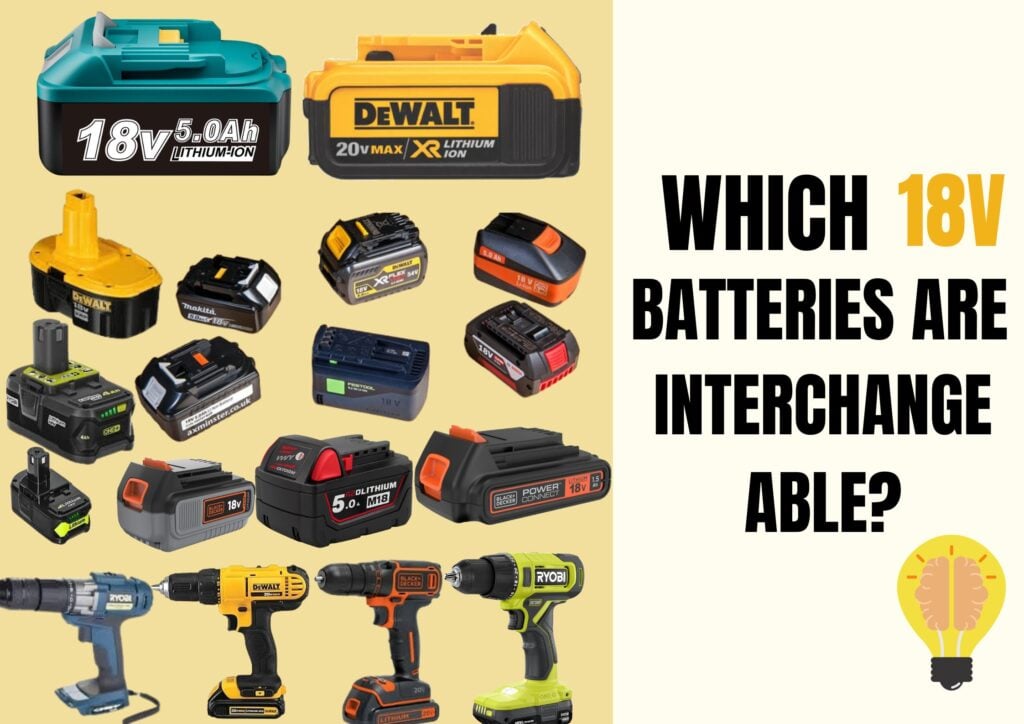
8. Which 18V Batteries are Interchangeable?
Not all 18V batteries are interchangeable, even if they share the same voltage. Compatibility depends on the brand, battery platform, and connector design. For example, Ryobi 18V ONE+ batteries work across all ONE+ tools, both old Ni-Cad and newer lithium-ion models, but they won’t fit Ryobi 40V or 12V systems. Similarly, DeWalt 18V XRP batteries only work with DeWalt 18V tools. Always check the battery platform and confirm compatibility with your tool’s model. Using the wrong battery can reduce runtime, cause overheating, or damage electronics. Checking 18V battery compatibility ensures safety and consistent performance.
In A Nutshell:
So, are power tool batteries interchangeable?
The short answer: No. Differences in voltage, connectors, BMS, and design mean batteries are usually locked to their brand. While adapters provide a workaround, they come with safety and performance compromises. The best approach is to invest in one brand’s power battery platform, use OEM chargers, and build your tool collection within that ecosystem. This ensures safety, reliability, and cost savings in the long run. These limitations ensure that power tools remain brand-specific, encouraging users to stay within one manufacturer’s ecosystem for optimal performance and safety.