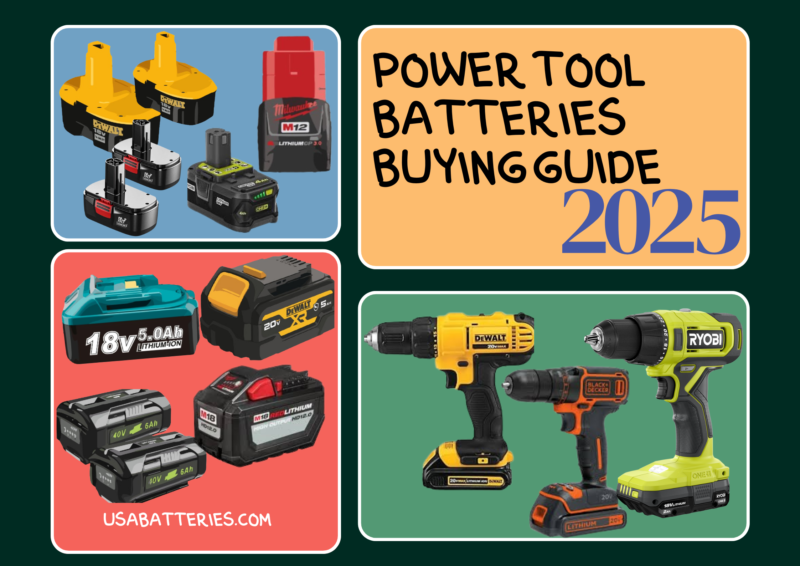
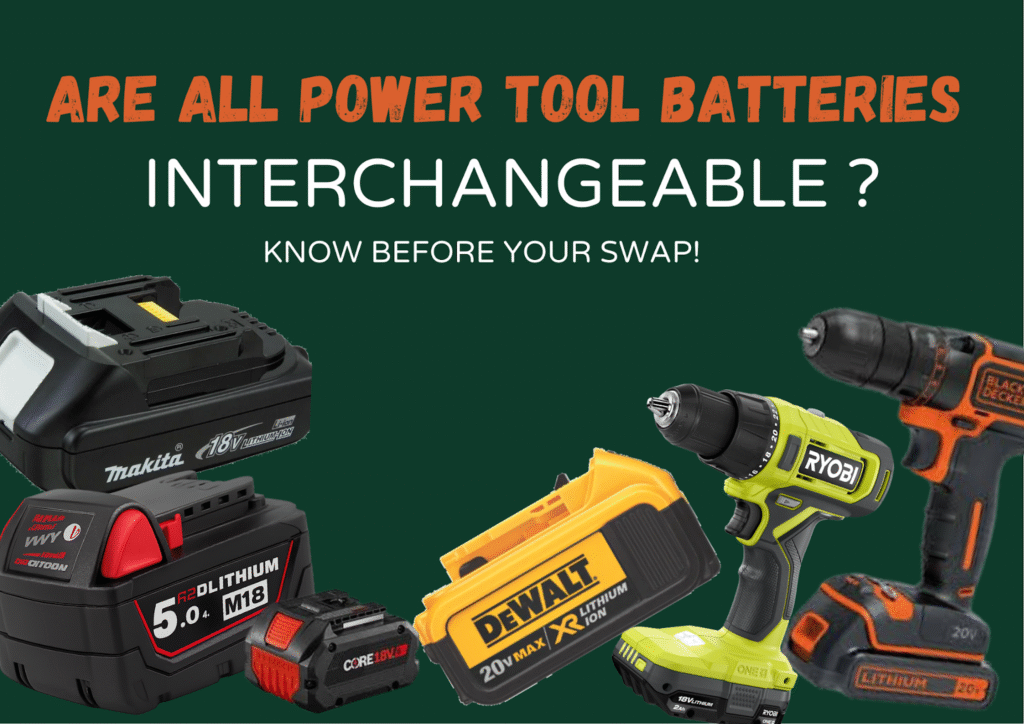
Cordless power tools have revolutionized the way we work, from home DIY projects to professional construction jobs. The performance, runtime, and reliability of these tools all hinge on one critical component: the power tool battery. Over the period of time, battery technology has advanced significantly, offering longer runtimes, faster charging, and greater compatibility than ever before. From Ryobi batteries to Dewalt, this comprehensive buying guide will help you explore the best battery options, understand key specifications, and choose the right battery to keep your power tool batteries running at peak performance.
Why Choosing the Right Power Tool Battery Matters?
A cordless power tool’s battery is its key component. Longer run times, reliable performance, and longer tool life are guaranteed when the correct battery is chosen. Lithium-Ion (Li-ion), Nickel-Metal Hydride (NiMH), and Lithium Iron Phosphate (LiFePO4) are some of the chemistries available in modern power tool batteries, each of which has unique benefits.
Key factors to consider include:
Your power tools’ power output is determined by their voltage (V).
Capacity (Ah/mAh): Affects runtime and the amount of time your tool may run before requiring a recharge.
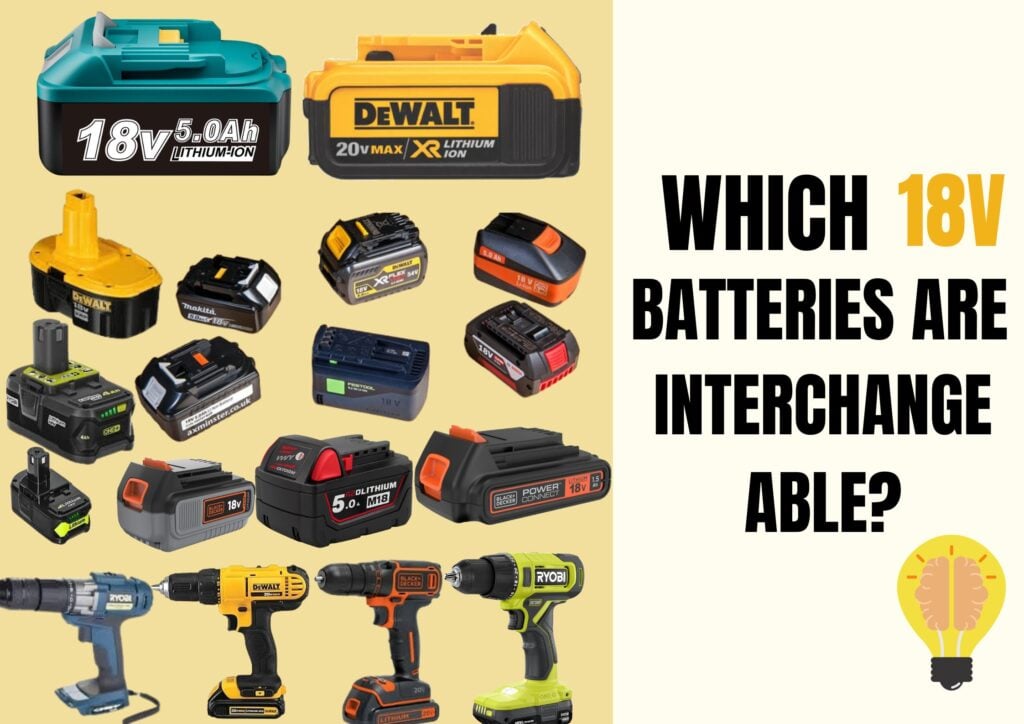
Compatibility: A lot of companies employ proprietary battery platforms, including DeWalt, Milwaukee, and Ryobi.
Durability & Maintenance: Battery life can be extended by proper use and storage.
Popular Battery Types for Power Tools in 2025.
Battery Type
Advantages
Disadvantages
Best For
Li-ion
Lightweight, high energy density, no memory effect
Sensitive to heat, expensive
Most cordless power tools, heavy-duty jobs
LiFePO4
Long cycle life, excellent temperature tolerance
Slightly lower energy density
Outdoor & industrial power tools
NiCd
Durable, cheap, and works in cold environments
Heavy, memory effect
Budget-friendly or legacy power tools
NiMH
Higher capacity than NiCd, less toxic
Self-discharge, heavier than Li-ion
Home use power tools, medium-duty
In 2025, DeWalt 20V battery drills, Milwaukee M18 battery saws, and Ryobi 40V battery tools are all powered by Li-ion batteries, which will dominate the market. They are the preferred option for both professionals and do-it-yourselfers due to their lightweight design, excellent performance, and extended lifespan.
Top Power Tool Battery Brands.
Here’s a breakdown of the most reliable brands for 2025:
Brand
Popular Battery Series
Voltage Range
Key Feature
DeWalt
20V MAX
12V–20V
Wide compatibility, high runtime
Milwaukee
M18
12V–18V
Red Lithium technology, durable for job sites
Ryobi
40V
18V–40V
Affordable, versatile, part of ONE+ system
Craftsman
19.2V
12V–19.2V
Reliable for home & light commercial use
These brands have invested heavily in battery technology, offering higher energy density, better durability, and smart features such as overheat protection and quick charging. Ryobi batteries are particularly popular in DIY circles due to affordability and broad tool compatibility.
How to Choose the Right Power Tool Battery?
The type of tool, the frequency of usage, and your needs all play a role in choosing the right battery.
Verify the voltage requirements: Make sure your tool and battery voltage are compatible at all times. For example, optimal performance is ensured when a 20V drill is powered by a DeWalt 20V battery.
Take Runtime Capacity into Account: Longer runtime is possible with a higher Ah rating. Milwaukee M18 battery packs with 5.0Ah or more may be preferred by professionals.
Compatibility of Brands: For ease of use, stick to the same platform. The Ryobi 40V battery can power every Ryobi tool in the ONE+ system if you have several.
Environment & Workload: Standard Li-ion batteries are suitable for indoor do-it-yourself projects, while heat-resistant LiFePO4 batteries may be needed for outdoor building.
Weight and Ergonomics: When doing overhead duties, a lightweight battery lessens user fatigue.
Battery Maintenance Tips.
Proper care can extend the lifespan of your power tools:
Avoid deep discharging Li-ion batteries below 20%.
Store batteries in a cool, dry place.
Charge with the recommended charger.
Clean battery contacts regularly.
Avoid exposure to extreme temperatures.
These simple steps ensure that your power tools remain reliable and ready whenever you need them.
Where to Buy Power Tool Batteries?
When buying power tool batteries, it’s important to purchase from trusted sources to ensure quality, compatibility, and safety. Here are some recommended options:
Professionals and DIYers who want peace of mind and long-term reliability
Amazon
Wide selection of brands (DeWalt, Milwaukee, Ryobi), competitive pricing, fast shipping
Risk of counterfeit or low-quality batteries from third-party sellers
Quick purchases, casual users, bulk buyers
eBay
Can find refurbished or hard-to-find batteries
Quality varies; risk of counterfeit or expired batteries
DIY enthusiasts or collectors looking for discontinued battery models
Home Depot / Lowe’s
Trusted retailers, in-store pickup, warranty support
Higher in-store prices, limited stock of some models
Immediate availability for standard power tool batteries
Manufacturer Websites
Guaranteed compatibility, latest models, warranty support
Usually more expensive
Brand loyalists wanting the newest Ryobi 40V battery, Milwaukee M18 battery, or DeWalt 20V battery
Tip: Always check compatibility with your power tools and ensure the battery is authentic, especially when purchasing from marketplaces like Amazon or eBay.
By choosing USA Batteries first, you ensure reliability, long life, and expert guidance for your power tools, making it the safest and most convenient choice for professionals and DIY enthusiasts alike.
Frequently Asked Questions (FAQs).
1. Can I take battery-powered tools on a plane? Yes, most Li-ion power tool batteries under 100Wh can be taken in carry-on luggage. Always check airline regulations and carry them in protective cases.
2. Where to recycle power tool batteries? Many hardware stores, local recycling centers, and manufacturers accept old batteries. Never dispose of them in household trash due to environmental hazards.
3. How long do power tool batteries last? A Li-ion battery typically lasts 3–5 years or 300–500 full charge cycles. NiCd batteries may last longer but require proper care.
4. Can I use any charger with my battery? No. Always use chargers designed for the specific brand and model, such as DeWalt 20V battery chargers or Milwaukee M18 chargers, to avoid damage.
5. How can I improve battery runtime? Use lower power settings, avoid unnecessary idle time, and fully charge batteries before use.
6. Can I mix old and new batteries? No, mixing batteries of different ages or capacities can lead to poor performance or damage.
7. Are refurbished batteries safe for power tools? Refurbished batteries from reputable brands are generally safe, but avoid cheap knock-offs. Look for warranty and certifications.
8. What’s the difference between Ah and Wh? Ah (ampere-hour) measures capacity; Wh (watt-hour) measures total energy (Voltage × Capacity). Both determine runtime and power output.
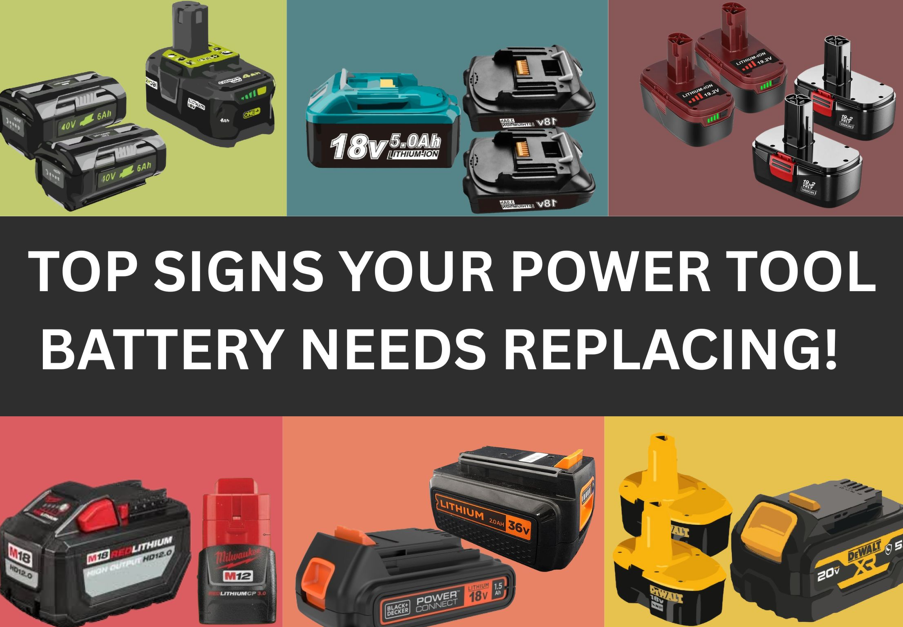
9. How do I know if my battery needs replacement? Signs include rapid discharge, overheating, swelling, or failure to hold a charge. Replace immediately to avoid damaging your power tools.
10. Can multiple tools use the same battery? Yes, within the same brand platform (e.g., Ryobi 40V battery works across ONE+ system tools).
Recommended Power Tool Battery by Use Case.
Use Case
Recommended Battery
Reason
Light DIY
Ryobi 40V battery
Affordable, sufficient capacity for home tasks
Professional contractor
Milwaukee M18 battery
High energy density, durable for extended use
Home renovation
DeWalt 20V battery
Wide compatibility, reliable performance
Craftsman tools
Craftsman 19.2V batteries
Ideal for light-to-medium tasks, good longevity
Outdoor/heavy-duty
LiFePO4 batteries
Temperature resistant, long cycle life
Call-to-Action.
Selecting the appropriate battery is essential to optimizing the effectiveness and durability of your power tools. Understanding voltage, capacity, and brand compatibility is crucial given the range of power tool batteries available, from DeWalt 20V battery packs to Ryobi 40V battery systems and Milwaukee M18 battery solutions. Optimal performance and safety are ensured by careful charging, proper maintenance, and adherence to product instructions.
No matter your project, selecting the correct battery translates to longer runtime, better performance, and a smoother workflow for both professionals and DIY enthusiasts.
Looking for premium batteries for your Ryobi, DeWalt, Milwaukee, or Craftsman tools? USA Batteries offers high-quality, brand-compatible batteries with extended lifespans and top-notch reliability. Shop now to ensure your power tools are always ready to tackle any task.
About Laiba K
Laiba is a specialist in power tools, vacuum batteries, and consumer batteries, creating informative guides, product reviews, and how-to content. She loves breaking down technical details for everyday users. Outside work, she enjoys hands-on DIY projects, cycling, and attending trade shows to stay updated on the latest tool and battery trends.